We share best practice, generously.
In collaboration with the practitioners who choose to participate, we share what one place learns with the next, including the high seas, to increase effectiveness and durability for all.
Relationship is the method.
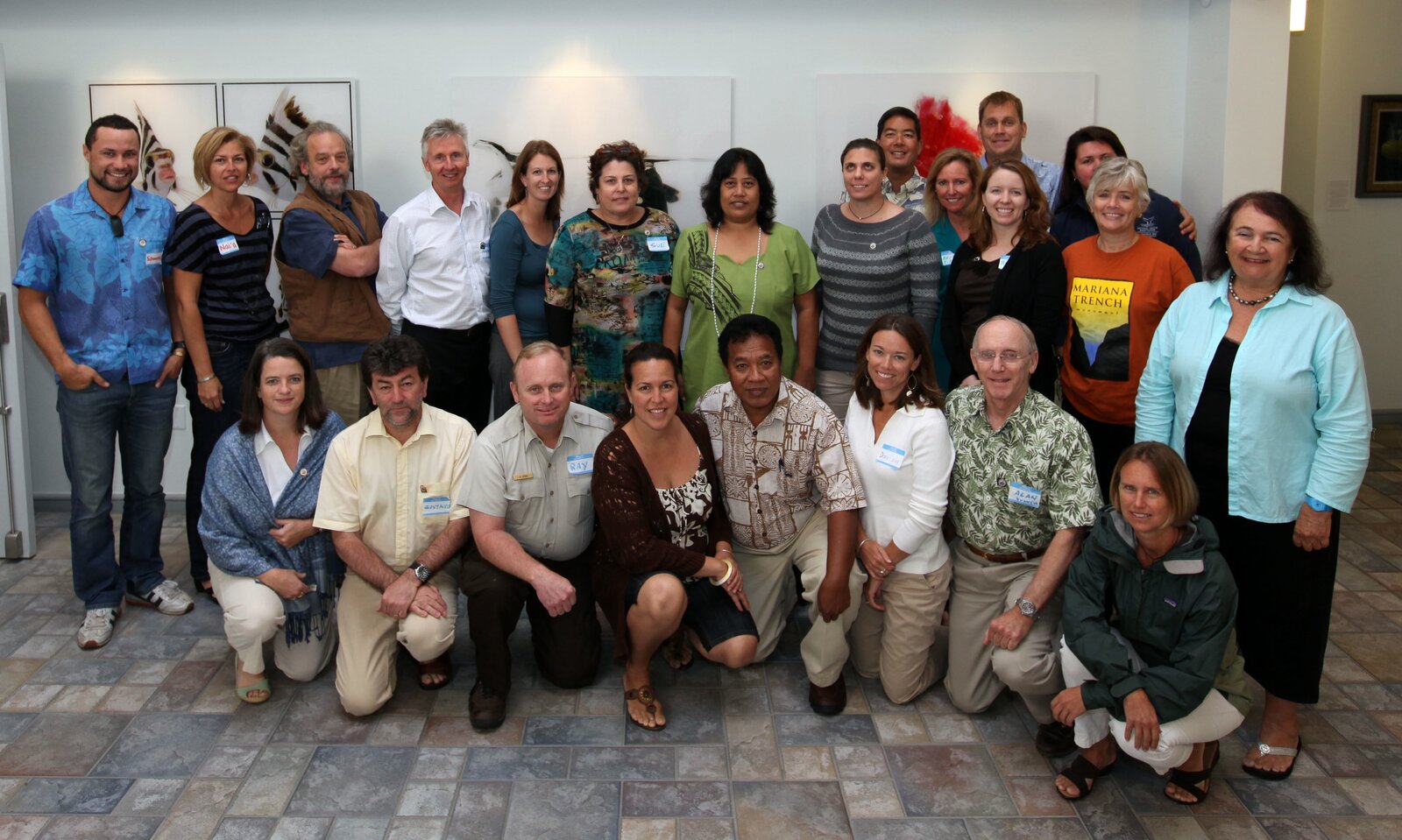
Management at scale can be lonely work, carried out across vast distances. That is exactly why relationships matter. No single team or organization can do this alone, so we run on relationships and move at the speed of trust. Across fifteen years and ten gatherings convened alongside the world's premier conservation meetings, from the IUCN World Conservation Congress to IMPAC, those relationships are what the network has tended most deliberately, because they are what hold when distance would otherwise pull the field apart. Rich and resilient relationships are the real infrastructure of best practice.
Bigger than anything yet protected.
The high seas, the ocean beyond every national border, represent nearly two-thirds of our global ocean, and almost none of it is protected yet. The places now being proposed there would dwarf anything protected so far. The Ross Sea, the first large-scale MPA established in the high seas, is already more than a third larger than Papahānaumokuākea, and the proposals taking shape reach further still.
In January 2026, the High Seas Treaty entered into force. That more than 80 countries ratified it within months is the clearest sign yet that the world's attention is turning to this last great commons. For those who have spent years protecting the ocean at scale, it would be easy to read this as competition for funding and attention.
We see the opposite. We do not seek to manage the high seas; we seek to bridge to them, carrying hard-won experience to the people taking on an even larger task. Protecting the high seas will prove, on the largest stage there is, why scale matters, and that case lifts every large-scale place already protected. Leaning in is what reciprocity looks like.
Six ways we strengthen the field
Declaring a large ocean area is not the same as managing one well. The real work is inside the boundary.
- Convene the people who manage the ocean at scale — a neutral, trusted space no one else holds.
- Synthesize ground-truthed lessons into shared field intelligence, and carry them back to the people doing the work.
- Bridge — acting as a knowledge bridge: capacity-sharing and lessons learned between people, agencies, and governments, from national waters to the high seas.
- Strengthen durability — championing the best-practice management that helps guard large ocean places against degazettement and rollback.
- Center Indigenous knowledge in large-scale ocean management and governance.
- Catalyze the field — growing the community of practitioners and the resources that sustain it.
Publications and Resources
The lessons that make this work possible live in the real-world experience of large-scale marine managed areas, the only ground-truthed examples of managing the ocean at scale the world has.
Browse resources