
1975–2000
One site stood alone.
For 25 years, the Great Barrier Reef Marine Park stood in a category of its own.

Big Ocean’s story begins with people learning what it means to manage the ocean at scale.
Why Big Ocean began
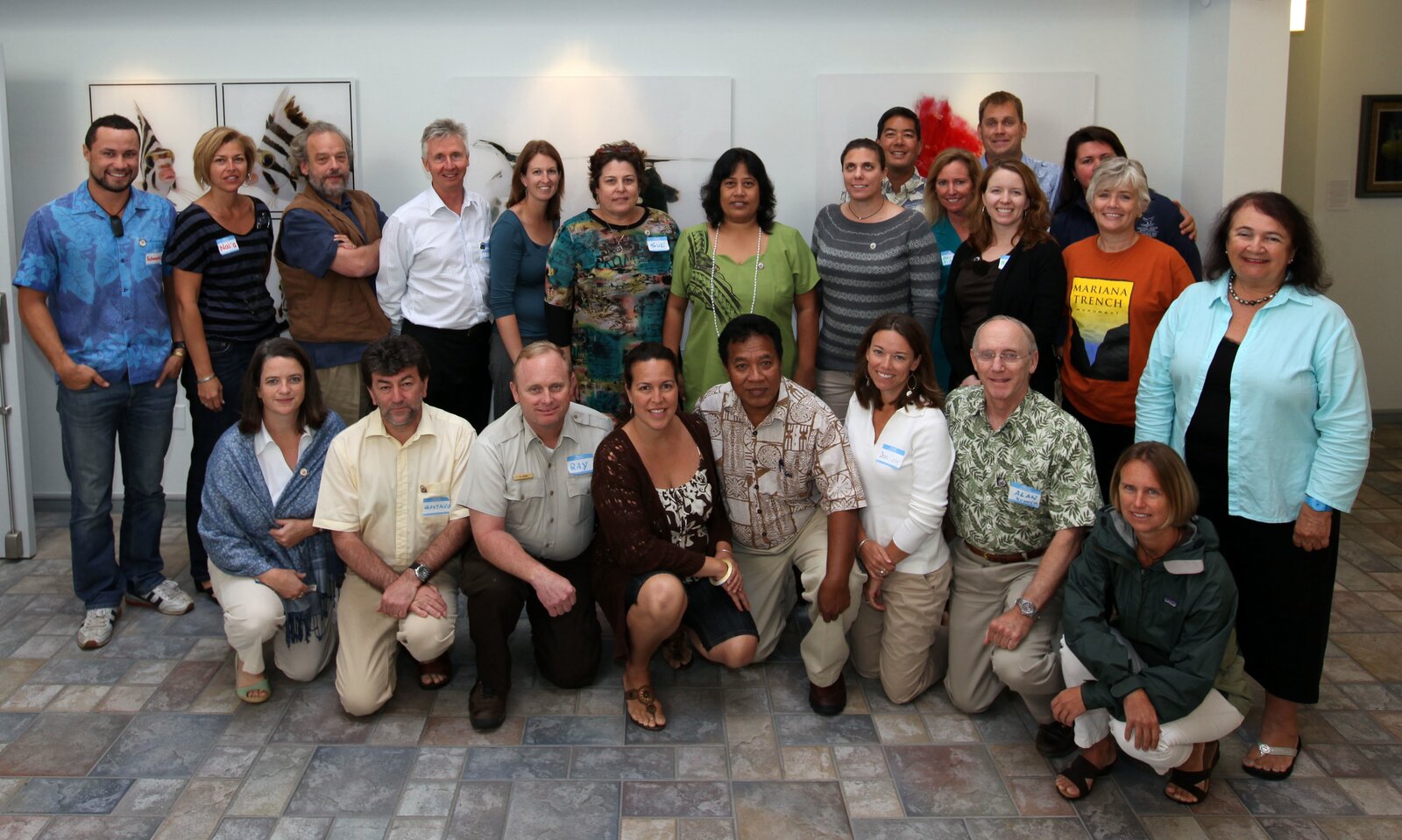
In 2010, managers responsible for six of the world’s largest marine protected areas came together in Honolulu. They were working across enormous ocean places, confronting challenges with few precedents, and wanted a way to learn directly from peers doing the same work.
1975–2000
For 25 years, the Great Barrier Reef Marine Park stood in a category of its own.
2000
The Northwestern Hawaiian Islands Coral Reef Ecosystem Reserve—now Papahānaumokuākea—created another kind of precedent: a truly remote and uninhabited large-scale MPA. Other enormous ocean protected areas followed.
6 December 2010 · Honolulu
Representatives of six of the world’s largest marine protected areas established Big Ocean to work together, learn from one another, and improve management.
Today
What began with six pioneering large-scale MPAs is now a global field spanning dozens of places and tens of millions of square kilometres.
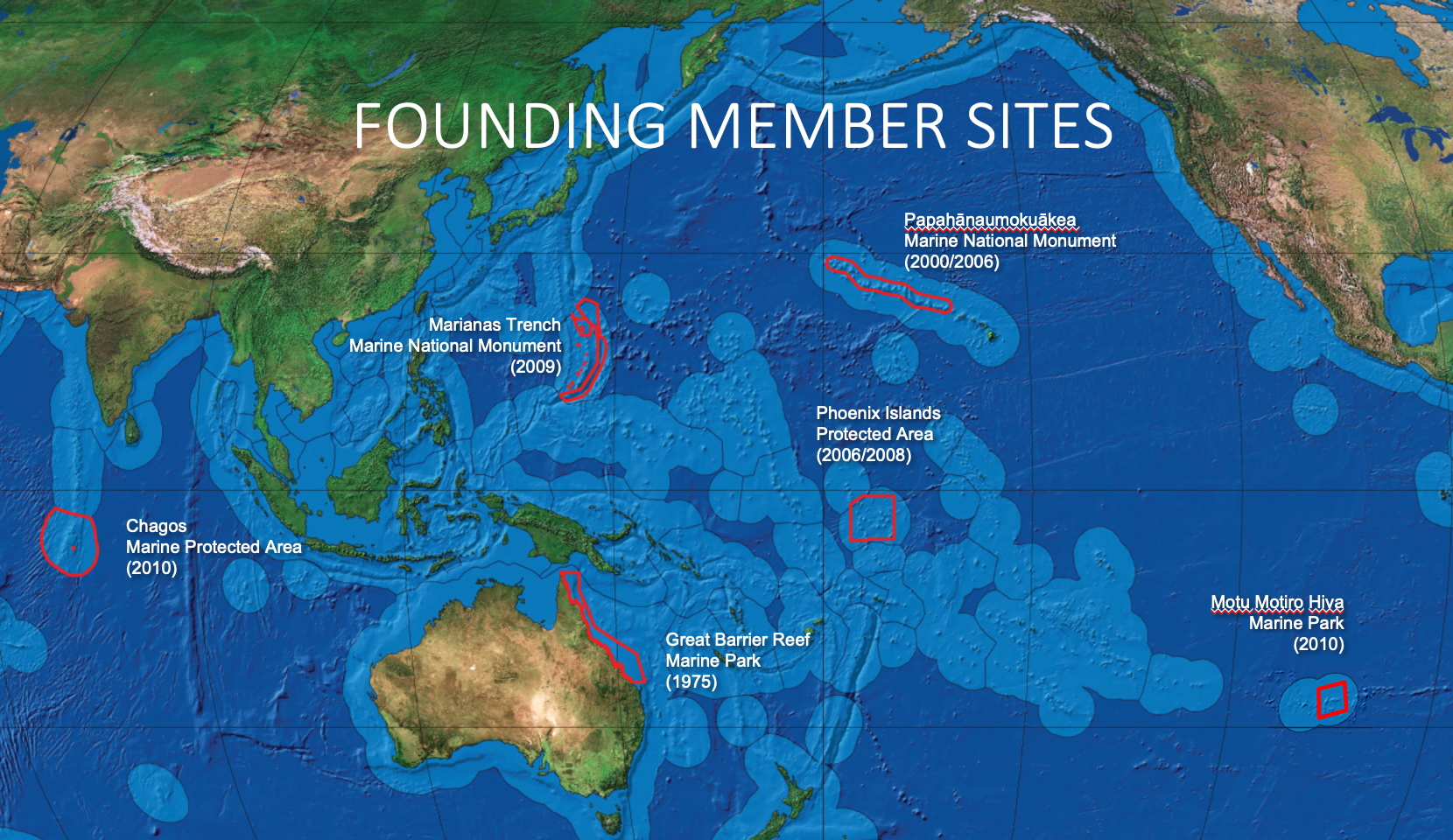
There was a natural break in scale between these places and most other MPAs at the time, and Big Ocean adopted 150,000 km² as a useful working definition for the network it was creating. It began as a member-based network: managers learning directly from other managers confronting the realities of working across enormous ocean places.
Fifteen years of exchange—and the longer experience carried by Big Ocean’s practitioners—have made clearer what scale does to the work. Distance and logistics stretch. Relationships multiply. More agencies, jurisdictions, communities, knowledge systems, and political processes may have to work together. Big Ocean carries that accumulated practice forward by connecting people who have encountered related conditions, understanding what transfers and what does not, and helping practitioners avoid beginning from zero.
The field is evolving
Big Ocean’s foundation in large-scale MPA management remains. But the field around it is growing—across places at different stages of establishment, Indigenous and customary approaches, multinational initiatives, other models for caring for large ocean areas, and emerging governance in areas beyond national jurisdiction.
Big Ocean is evolving with that field, connecting accumulated experience with practitioners shaping what comes next.